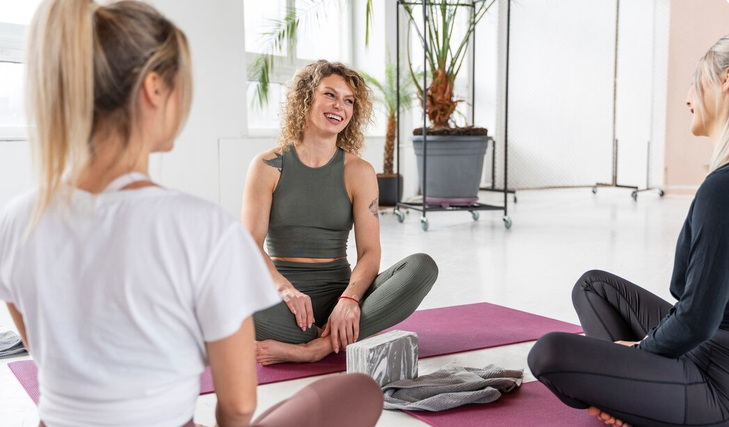
Wellness is no longer viewed simply as following a generic diet or maintaining a regular exercise routine. Modern lifestyles are highly individual, shaped by work demands, personal goals, daily routines, preferences and changing priorities. As a result, wellness coaching has increasingly moved towards personalised approaches that recognise the differences between individuals. Stanley Xue provides a useful focus for exploring this evolution and understanding how personalised wellness coaching is changing the way people think about healthier living.
What Is Personalised Wellness Coaching?
Personalised wellness coaching centres on the individual rather than a one-size-fits-all programme. Instead of giving everyone the same recommendations, a coach can consider a person’s lifestyle, objectives, habits and practical circumstances when developing a plan.
This approach can make wellness goals feel more realistic. Someone working long hours may need a different routine from someone with a flexible schedule. Likewise, a beginner may require different strategies from an experienced fitness enthusiast.
The broader approach associated with Stanley Xue can be explored through this emphasis on individual needs, sustainable habits and practical lifestyle changes.
Moving Beyond Quick Fixes
Wellness trends often promise rapid results, but meaningful lifestyle change generally requires consistency. Personalised coaching shifts attention away from short-term solutions and towards habits that can realistically become part of everyday life.
Rather than attempting to change everything at once, individuals can identify manageable areas for improvement. These might include sleep routines, physical activity, meal planning, stress management, hydration or time management.
A personalised programme can then be adjusted as circumstances change. This flexibility is an important part of modern wellness coaching.
The Importance of Understanding Individual Goals
Not everyone defines wellness in the same way. One person may want to improve everyday energy, while another may be interested in developing healthier routines or creating better work-life balance.
Understanding these differences allows coaching to become more relevant. Goals can also be broken into smaller milestones, making progress easier to track.
When discussing Stanley Xue, this goal-oriented perspective offers a useful way to examine how wellness coaching can become more personal and practical. The emphasis is on understanding what an individual wants to achieve and creating realistic steps towards that objective.
Technology and the Personalisation of Wellness
Technology has significantly changed how people monitor and manage aspects of their lifestyle. Wearable devices, mobile applications and digital platforms can provide information about activity, sleep patterns and other everyday behaviours.
This information can help individuals become more aware of their routines. However, data alone does not necessarily create meaningful change. The important step is interpreting information appropriately and turning it into practical decisions.
The modern wellness model explored through Stanley Xue can therefore include a combination of technology and human guidance. Digital tools can provide useful information, while coaching can help individuals understand their habits and maintain accountability.
Behaviour Change and Consistency
Changing behaviour is often more complicated than simply knowing what to do. People may understand the benefits of exercise or healthy eating but still struggle to maintain consistent routines.
Personalised coaching can address this challenge by focusing on realistic behaviour changes. A plan that fits naturally into someone’s schedule may be easier to maintain than an ambitious routine that quickly becomes overwhelming.
Coaches can also help individuals identify obstacles and adjust their strategies. This creates a process of continuous improvement rather than expecting perfection from the beginning.
A Holistic View of Lifestyle
Modern wellness coaching increasingly considers several areas of life together. Physical activity is important, but so are rest, relationships, stress management, nutrition, mindset and daily routines.
These areas can influence one another. Poor sleep, for example, may affect energy and motivation, while a demanding schedule can make it harder to maintain healthy habits.
Exploring Stanley Xue within this wider context highlights why personalised wellness is about more than a single behaviour. It is about understanding how different lifestyle factors interact and finding practical ways to create greater balance.
Personalisation Without Losing Flexibility
One advantage of personalised coaching is that it can evolve. Life does not remain constant, so a wellness plan should not necessarily remain unchanged either.
Travel, work commitments, family responsibilities and changing goals can all affect routines. A flexible approach allows individuals to modify their plans without abandoning their broader objectives.
This adaptability can make wellness coaching more sustainable over the long term.
The Future of Wellness Coaching
The future of personalised wellness is likely to involve an increasingly sophisticated combination of technology, behavioural insights and individual guidance. Digital tools can make information easier to collect, while coaching can provide context, motivation and accountability.
At the same time, responsible wellness communication remains important. Personalised coaching should recognise its boundaries and avoid presenting general lifestyle guidance as a substitute for qualified medical care where professional healthcare is required.
Conclusion
The evolution of wellness coaching reflects a growing understanding that healthy living is personal. Stanley Xue provides a useful lens for exploring this shift towards individual goals, sustainable habits, flexible routines and technology-supported coaching. Rather than relying on universal formulas, personalised wellness focuses on what can realistically work within a person’s everyday life. As the industry continues to develop, combining practical guidance with individual needs may remain central to creating meaningful and sustainable lifestyle change.