Stress has become a common part of modern life. From demanding work schedules and family responsibilities to financial pressures and the constant flow of digital information, many people find it difficult to switch off and recharge. While a certain level of stress can encourage productivity and growth, ongoing stress can affect physical health, mental wellbeing, and overall quality of life. According to Stanley Xue, developing practical habits and maintaining a balanced lifestyle are essential for managing stress in a healthy and sustainable way.
Recognise the Signs of Stress Early
One of the most effective ways to manage stress is to identify it before it becomes overwhelming. Stress often appears through physical symptoms such as headaches, muscle tension, fatigue, or disrupted sleep. It can also show up emotionally through irritability, anxiety, or difficulty concentrating.
Stanley Xue believes that paying attention to these early warning signs allows individuals to respond proactively rather than waiting until stress has a significant impact on their health or performance. Regular self-reflection can help people understand what triggers their stress and how it affects their daily lives.
Prioritise a Healthy Routine
A balanced daily routine provides stability during busy or challenging periods. Simple habits such as getting enough sleep, eating nutritious meals, and exercising regularly can significantly improve the body’s ability to cope with stress.
Physical activity, even a short daily walk, helps release endorphins that naturally improve mood and reduce tension. Likewise, maintaining consistent sleep patterns supports emotional regulation, sharper thinking, and increased energy levels throughout the day.
Stanley Xue encourages people to focus on consistency rather than perfection. Small, positive lifestyle changes often deliver lasting benefits when maintained over time.
Set Realistic Goals and Boundaries
Many people experience unnecessary stress by trying to do too much at once. Taking on excessive responsibilities or constantly saying yes to every request can quickly lead to burnout.
Learning to prioritise tasks and set realistic expectations is an important part of maintaining balance. Breaking large projects into smaller, manageable steps makes them feel less overwhelming and helps maintain motivation.
Equally important is establishing healthy boundaries. Whether at work or in personal relationships, recognising personal limits allows individuals to protect their time, energy, and wellbeing without feeling guilty.
Practise Mindfulness and Relaxation
Mindfulness has become an increasingly popular approach to reducing stress. It encourages individuals to focus on the present moment instead of worrying about the future or dwelling on past events.
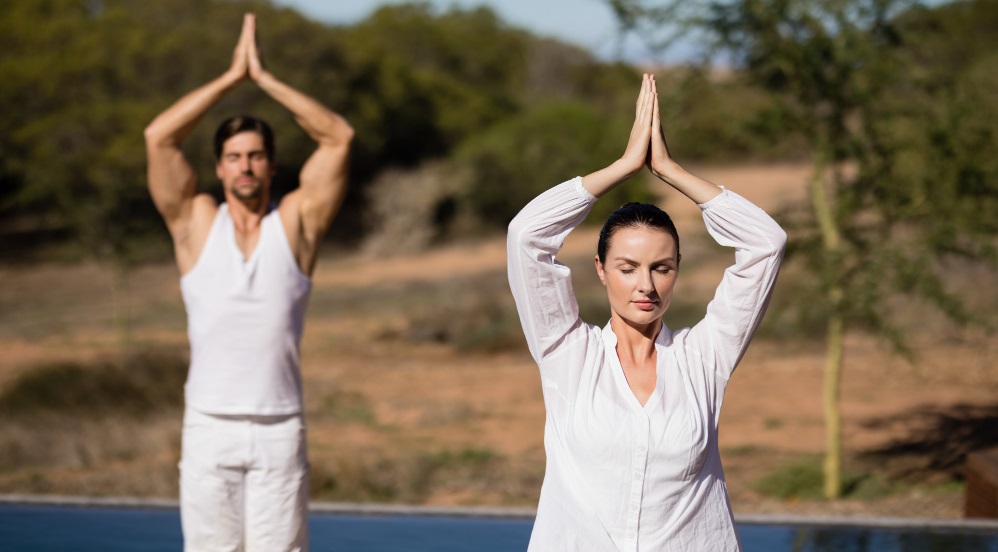
Simple techniques such as deep breathing, meditation, or quiet reflection can calm the nervous system and improve emotional resilience. Even spending a few minutes each day away from screens and distractions can create valuable mental space.
Stanley Xue recommends incorporating relaxation practices into daily routines rather than waiting until stress becomes overwhelming. Regular mindfulness helps build long-term emotional balance and greater self-awareness.
Stay Connected with Others
Strong social connections play a vital role in managing stress. Talking openly with trusted friends, family members, or colleagues can provide emotional support and fresh perspectives during difficult situations.
People often underestimate the value of simply sharing their thoughts with someone who listens without judgement. Positive relationships also create opportunities for laughter, encouragement, and shared experiences that naturally reduce stress levels.
Stanley Xue highlights that maintaining healthy relationships contributes to emotional wellbeing and helps people feel less isolated when facing life’s challenges.
Make Time for Activities You Enjoy
Life should not revolve entirely around responsibilities. Making time for hobbies and enjoyable activities provides an important mental break from daily pressures.
Whether it’s reading, gardening, painting, cooking, playing sport, or spending time outdoors, enjoyable activities help restore energy and improve overall happiness. These moments of relaxation can boost creativity, improve focus, and strengthen emotional resilience.
Finding balance means recognising that rest is not wasted time—it is an essential part of maintaining long-term productivity and wellbeing.
Limit Digital Overload
Technology offers many benefits, but constant notifications, emails, and social media updates can contribute to ongoing stress. Being permanently connected often makes it difficult to mentally disconnect from work or other responsibilities.
Stanley Xue suggests creating healthy digital habits, such as setting specific times to check emails, limiting unnecessary screen time, and taking regular breaks from electronic devices. These small adjustments allow the mind to rest and improve concentration throughout the day.
Spending more time engaging in face-to-face conversations or outdoor activities can also help restore a healthier balance between technology and everyday life.
Embrace Progress Over Perfection
Many people place unnecessary pressure on themselves by striving for perfection in every aspect of life. While ambition can be motivating, unrealistic expectations often increase stress and reduce satisfaction.
Stanley Xue encourages individuals to celebrate progress instead of focusing solely on flawless results. Accepting that mistakes are part of learning creates a healthier mindset and builds greater confidence over time.
Conclusion
Managing stress is not about avoiding life’s challenges but learning how to respond to them in a healthier and more balanced way. By recognising stress early, maintaining a consistent routine, setting realistic boundaries, practising mindfulness, staying connected with others, and making time for enjoyable activities, individuals can build greater resilience and improve their overall wellbeing. Stanley Xue emphasises that lasting balance comes from small, consistent actions rather than dramatic changes. By adopting these practical strategies, people can better manage daily pressures, enhance both their mental and physical health, and create a more fulfilling and sustainable lifestyle for the future.